The modernization movement accelerated significantly during the Pahlavi era, particularly during the first Pahlavi. Modernism and modernization spread across Tehran and most of Iran’s major cities, transforming education, culture, and public life. Important institutions such as the Institute for the Intellectual Development of Children and Young Adults (Kanoon) and the Children's Book Council of Iran were established during this period. Recognizing the importance of these institutions, the Pahlavi Section of Iranak Museum presents their achievements alongside unique examples of both handmade and industrial toys from the era.
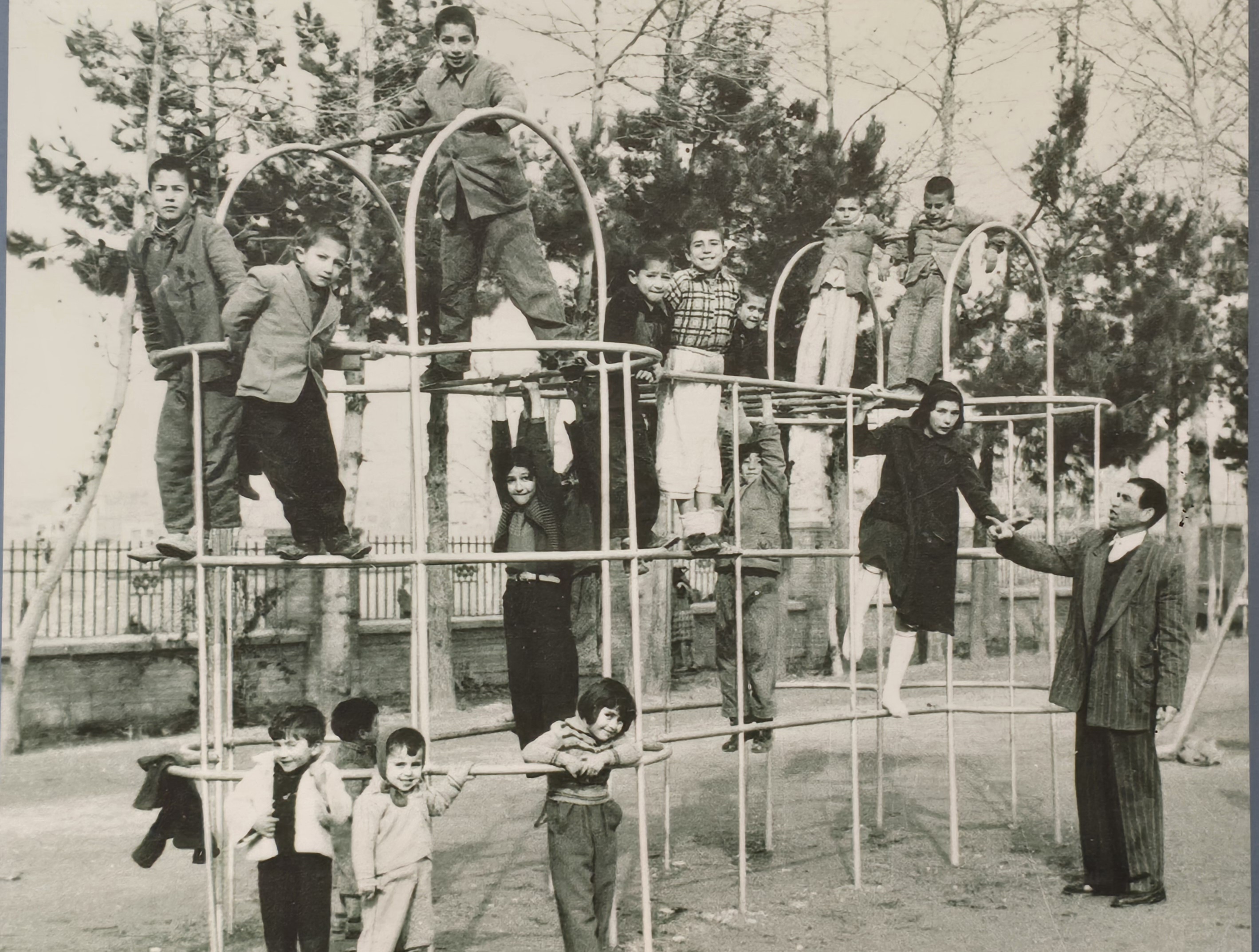
Physical Education and Modern Schooling
The first steps toward introducing physical education and sports into Iran’s educational system date back to 1911. In 1927, the National Consultative Assembly passed legislation making physical education compulsory at all educational levels. However, it was not until 1935, with the training of specialized physical education teachers, that the program was implemented on a large scale throughout the country.
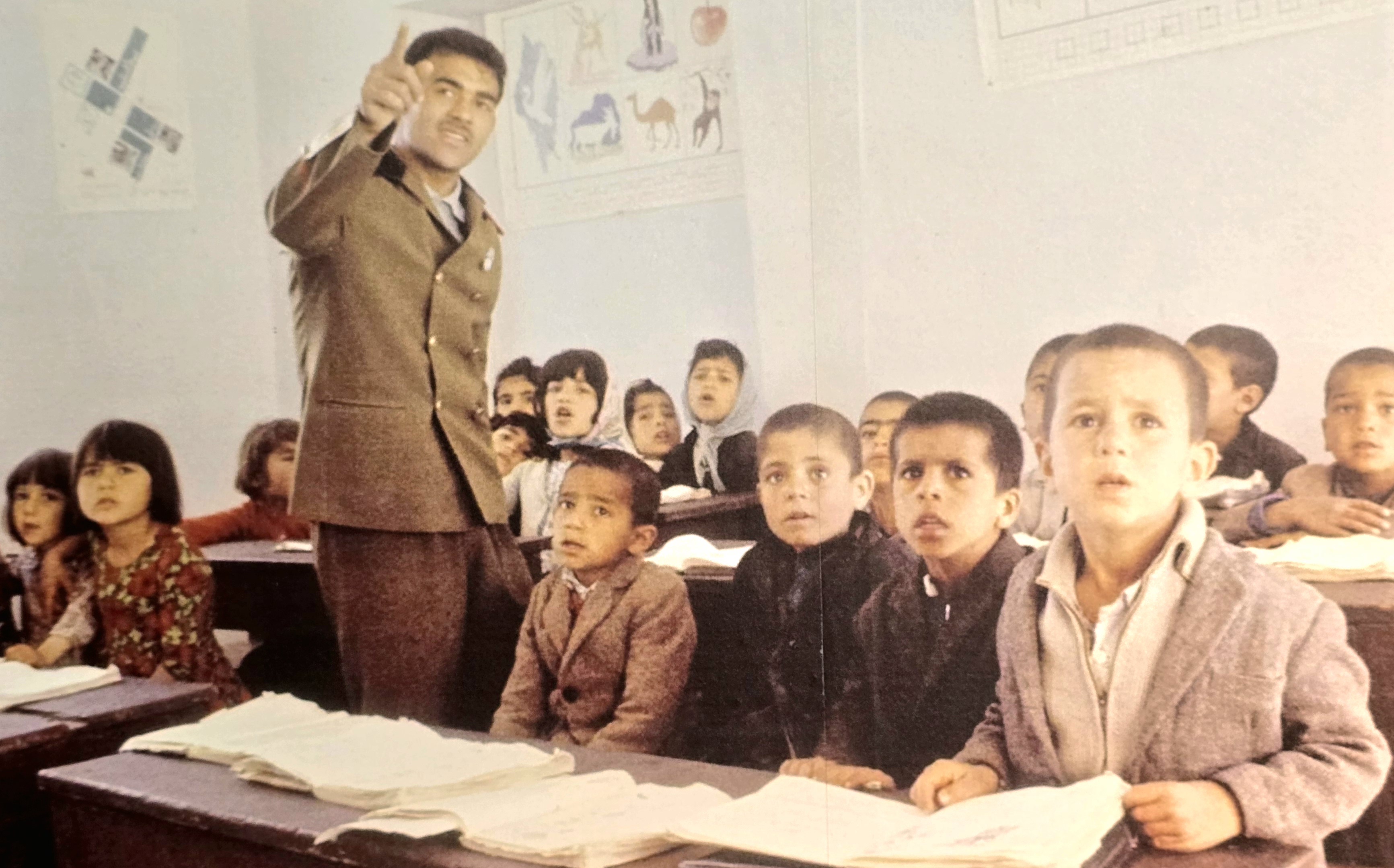
The Literacy Corps (Sepah-e Danesh)
The Literacy Corps was created in response to the urgent need to combat widespread illiteracy, which affected nearly 85 percent of Iran’s population at the time. The idea was proposed by the distinguished scholar and writer Parviz Natel Khanlari, who suggested utilizing military conscripts as teacher-soldiers in rural areas. Following the program’s approval, young high school graduates undergoing military service received four months of teacher training before being dispatched to villages, where they served as educators and played a vital role in expanding literacy.
Farhad and Mehran Schools
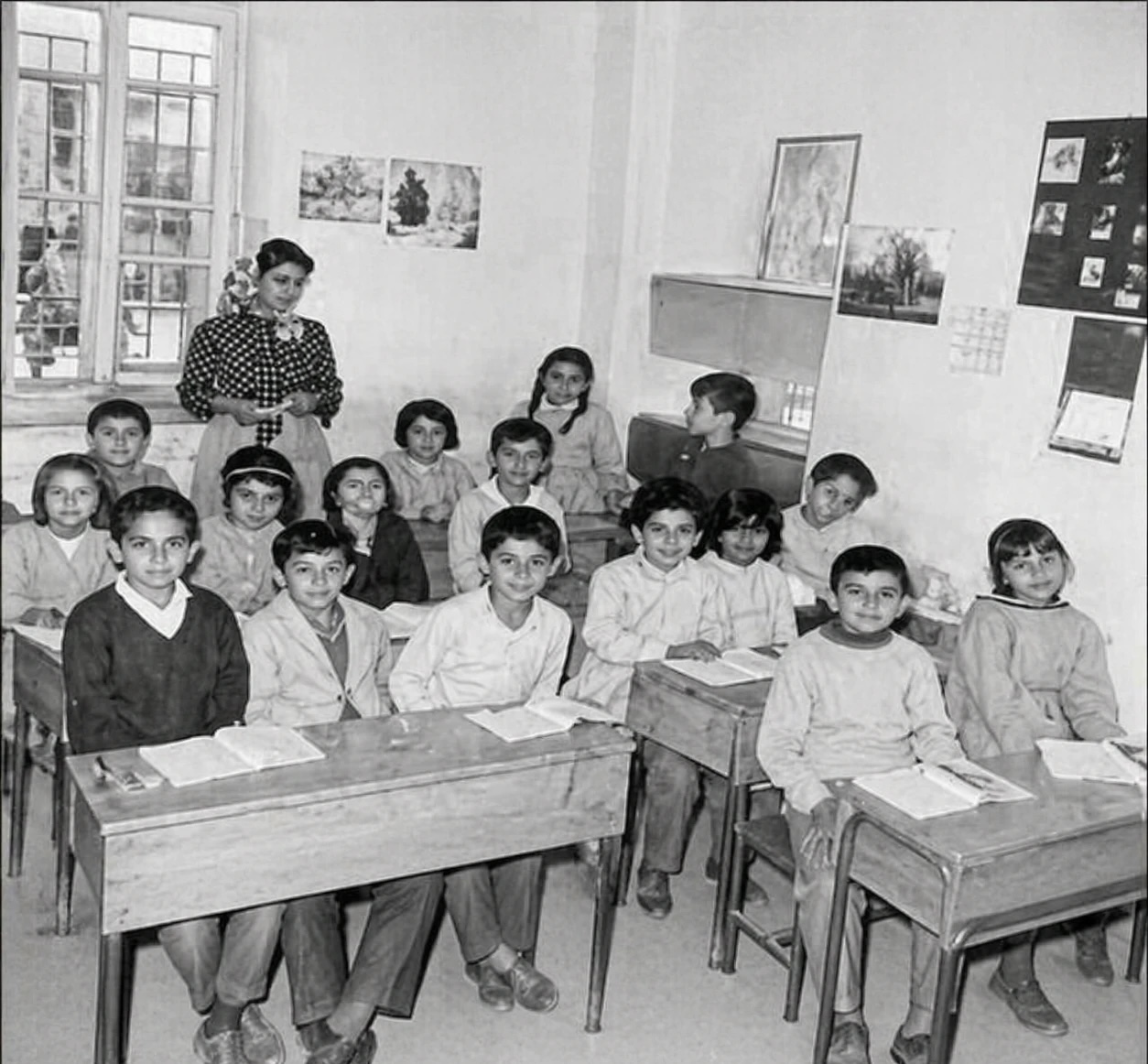
The 1950s marked a major turning point in opening educational spaces to innovative ideas and modern teaching methods. This period witnessed the establishment of several pioneering schools founded by visionary educators. Among the most influential were Farhad School, directed by Touran Mirhadi, and Mehran School, established by Masoumeh Sohrab and Yahya Mafi. These schools implemented progressive educational philosophies and contemporary international teaching practices, becoming models for creative and child-centered education in Iran.
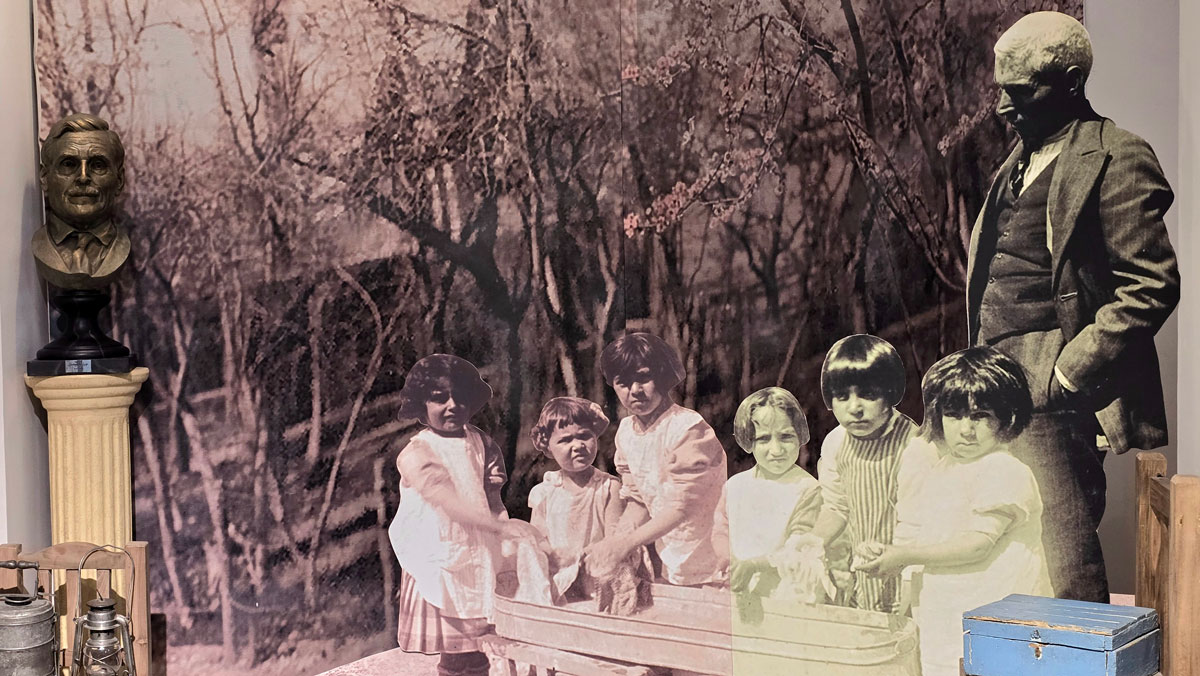
Jabar Baghcheban
Jabar Askarzadeh, later known as Jabar Baghcheban, was born in Yerevan. Although strict family circumstances prevented him from receiving a formal education during childhood, he studied religious subjects in a mosque and later learned Persian independently. Baghcheban became the founder of Iran’s first educational center for children with special needs and the pioneer of deaf education in the country. In Tabriz, he established a kindergarten called Baghcheh-ye Atfal (“Children’s Garden”), where he began teaching three deaf children. He later expanded his work and published children’s books illustrated with his own drawings.
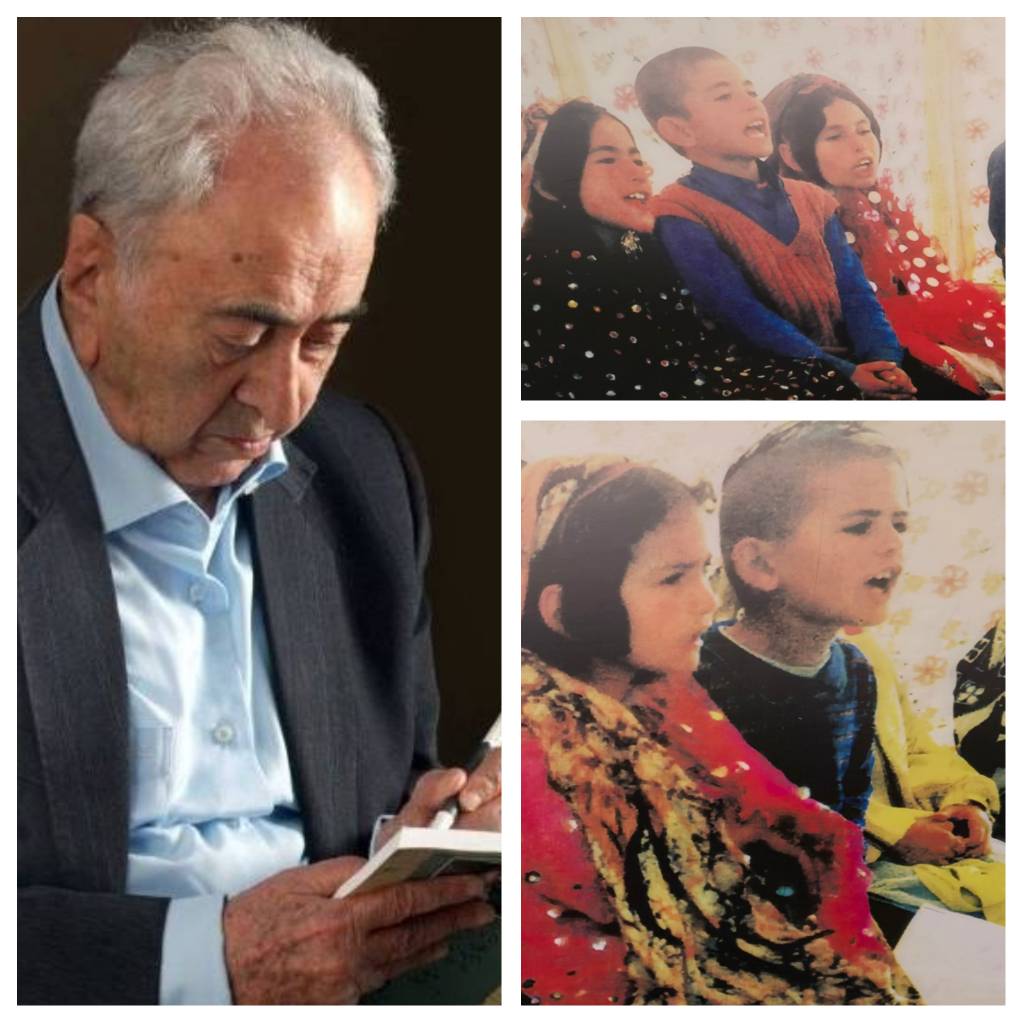
Mohammad Bahmanbeigi
Mohammad Bahmanbeigi (1919–2010), founder and advocate of nomadic education in Iran, was born into the Qashqai tribe in a traditional black tent. After earning a law degree from the University of Tehran, he devoted himself to establishing mobile schools for nomadic children. He worked closely with nomadic girls and founded the first teacher-training center for nomadic communities. Drawing on his personal experiences of education during seasonal migrations, Bahmanbeigi developed a unique educational model tailored to the needs of tribal life. He is widely regarded as the father of nomadic education in Iran.
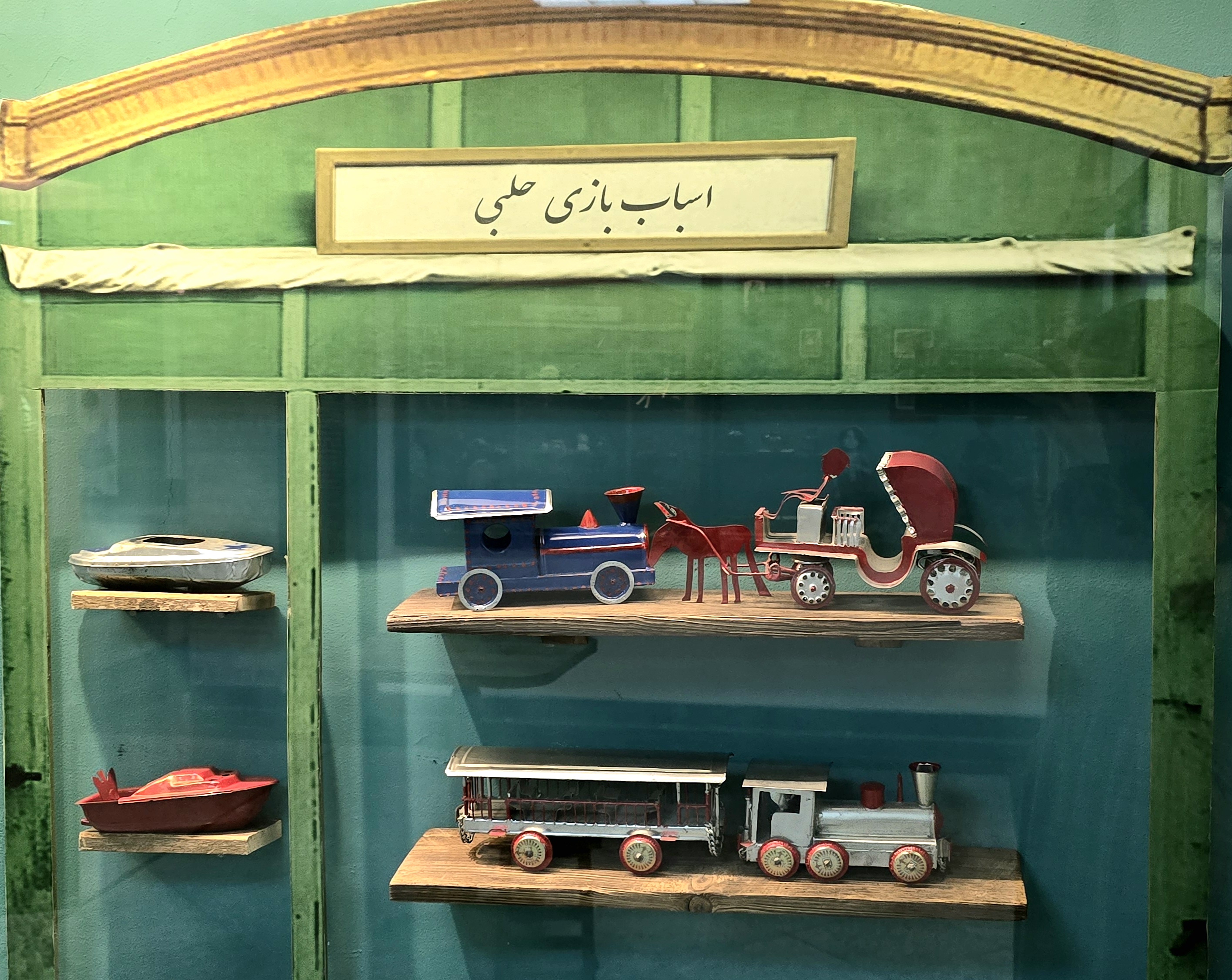
Handmade Toys
Traditional Tin Toys
Mohammadreza Mostafaei-Nia was born seventy-eight years ago in the Sarcheshmeh district of Tehran. His father owned a grocery store near the Shrine of Shah Abdol-Azim. After leaving school in the fourth grade, he apprenticed under a craftsman and learned the art of making samovars and oil lamps. He later applied these skills to toy-making, crafting simple tin replicas of contemporary automobiles and selling them to pilgrims visiting the shrine. His work represents an important tradition of handmade toys in twentieth-century Iran.
Children's Book Council of Iran
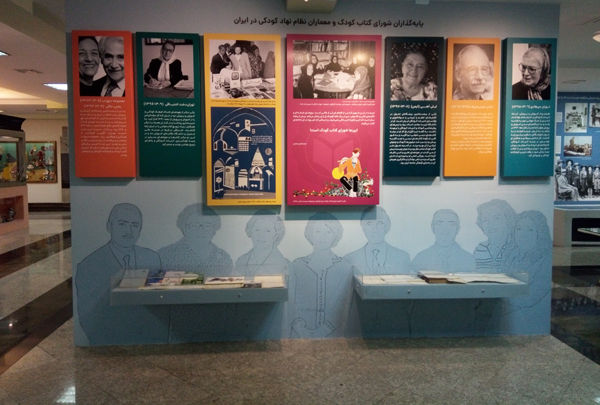
Founders of the Children's Book Council and Architects of Childhood Institutions in Iran
Touran Mirhadi (1927–2016)
An educational theorist, children's literature scholar, and institution builder, Touran Mirhadi becam acquainted with modern educational ideas while studying in France after the Second World War. Upon returning to Iran in the early 1950s, she founded Farhad School as an innovative educational institution. Her most enduring contribution was the establishment of institutions devoted to children’s literature, children’s libraries, and creative education. Following the 1979 Revolution, she dedicated her life to compiling the Encyclopedia for Children and Young Adults.
Abbas Yamini Sharif (1919–1989)
Poet, writer, educator, and journalist, Abbas Yamini Sharif was one of the pioneers of children’s poetry in Iran. During the 1940s he founded the magazine Children’s Play and became the first editor-in-chief of Kayhan Bacheha, one of Iran’s longest-running children’s publications. Alongside his literary work, he was an educator and co-managed the Ravesh-e No School with his wife. He also played a key role in founding the Children's Book Council and remained an active contributor throughout his life.
Lili Ahi (Iman) (1929–2018)
One of the leading figures in educational reform, literacy development, and institution building in Iranian children’s literature, Lili Ahi taught child psychology and children’s literature at the Teacher Training University. Her work in textbook development transformed educational publishing in Iran and benefited millions of children and adolescents. She authored more than thirty books in educational theory and literature and combined extensive scholarly knowledge with a strong commitment to cultural development.
Tourandokht Eshteaghi (1930–2015)
A prominent figure in childhood culture and modern education, Tourandokht Eshteaghi began her professional career in education during the 1950s. Alongside school administration, she helped establish the foundations of reading promotion in Iran. She taught for many years at Shemiran Higher School and Correspondence University and authored numerous books and educational materials on child development, children’s literature, and reading promotion.
Masoumeh Sohrab (1925–2004) and Yahya Mafi (1923–2013)
Among the most influential pioneers of progressive and creative education in modern Iran, Masoumeh Sohrab and Yahya Mafi began their educational work with Mehr Kindergarten and later developed Mehran School into one of the country’s most innovative child-centered institutions during the 1960s and 1970s. Their partnership became a model of educational collaboration: Sohrab was responsible for curriculum design and educational planning, while Mafi served as administrator and architect of the institution. Until the end of their lives, both remained central figures in the Children's Book Council and the Encyclopedia for Children and Young Adults.
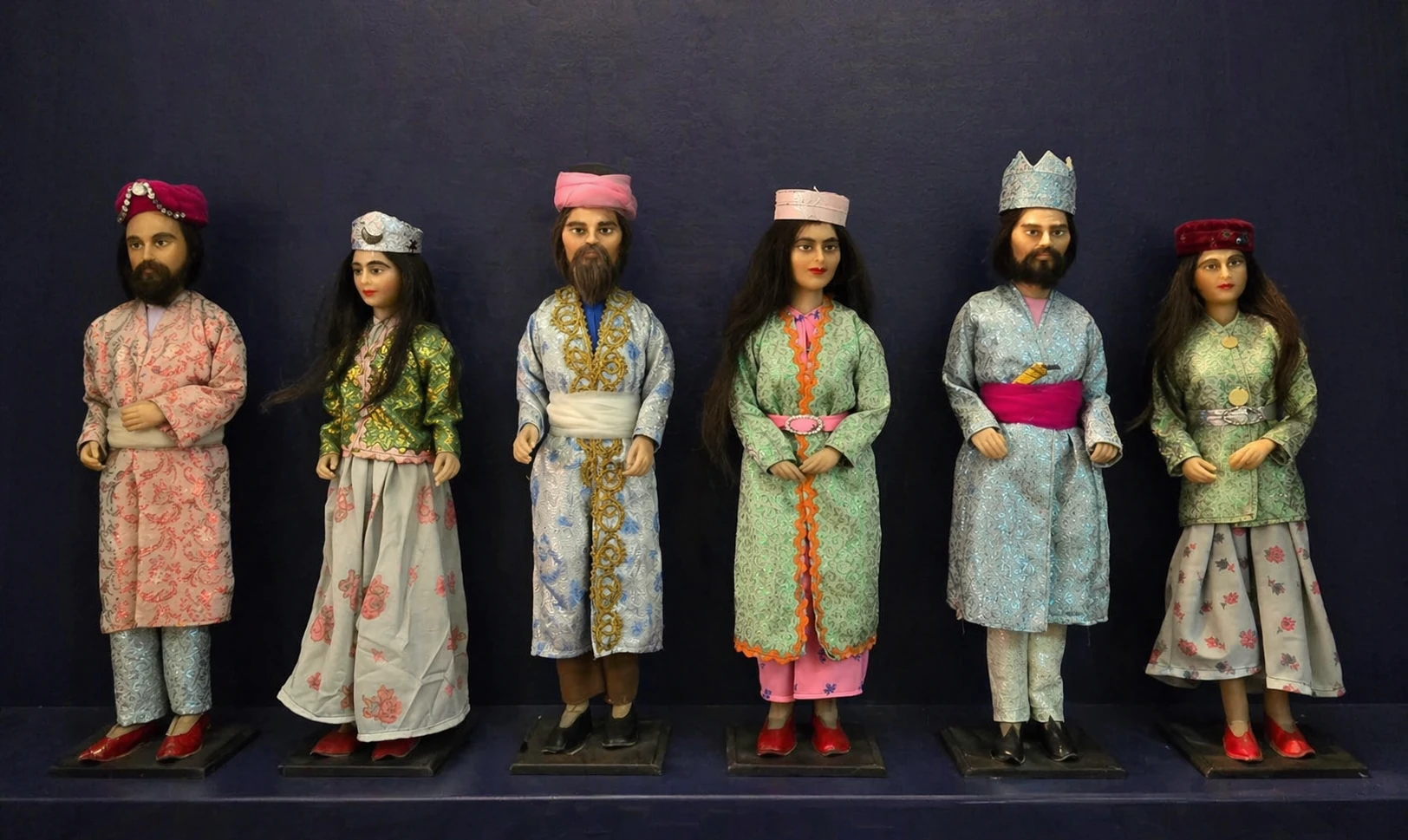
Mehran School Dolls
The handmade doll collection of Mehran School was commissioned by the school’s directors, Masoumeh Sohrab and Yahya Mafi, to introduce students to the history of Iranian clothing across different periods. Crafted by an artist employed by the Ministry of Culture and Arts during the 1960s, these dolls represent an innovative educational use of visual materials to teach cultural history through costume traditions.
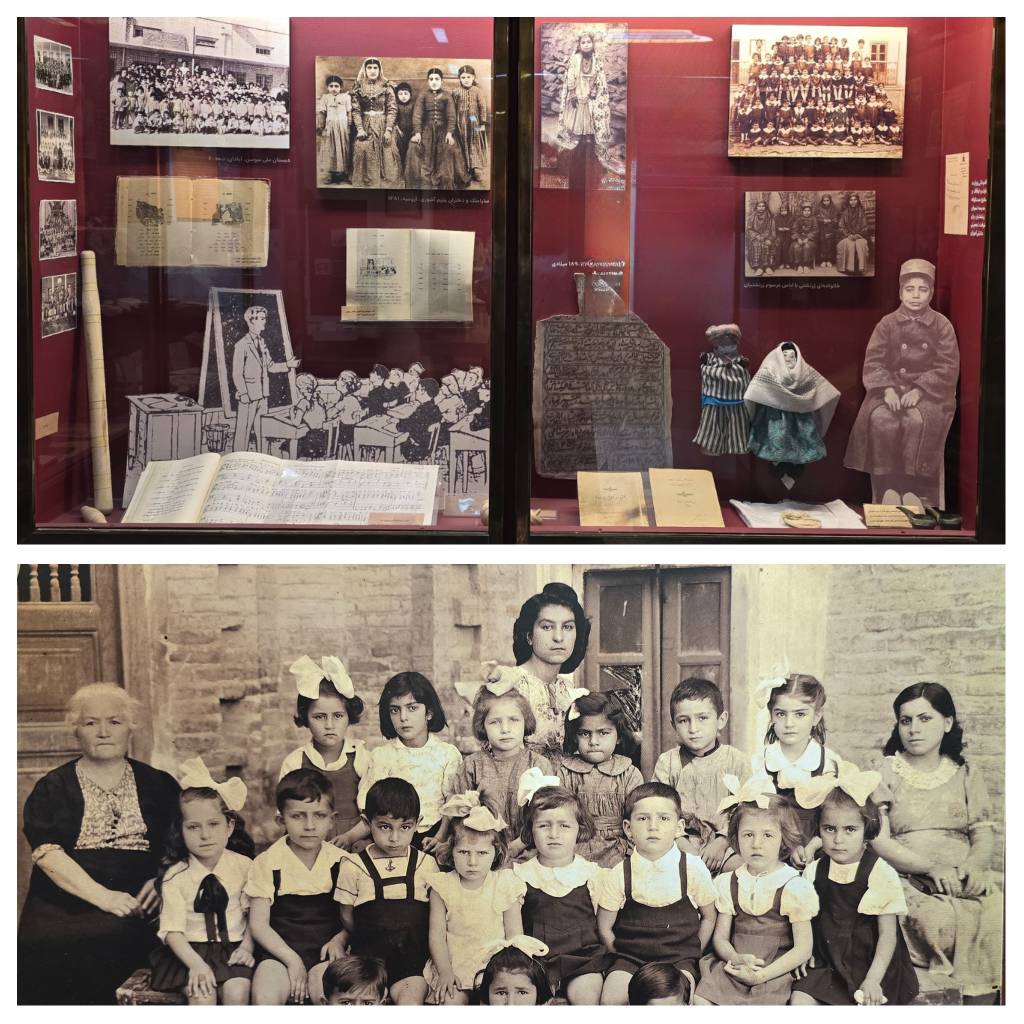
Ethnic Communities
Iran is an ancient and diverse land where people of different cultures, languages, dialects, and beliefs have lived side by side for centuries. Azerbaijanis, Kurds, Turkmens, Baluchis, Arabs, Gilaks, Mazanis, Zoroastrians, Assyrians, Armenians, and many other communities all contribute to the rich cultural heritage of the country. These diverse traditions and languages could have fostered a broader and more varied body of children’s literature. However, restrictive cultural policies, particularly from the early Pahlavi period onward, often limited the development of children’s literature in local languages and ethnic traditions. The objects displayed in this section reflect aspects of Iran’s multicultural childhood heritage.
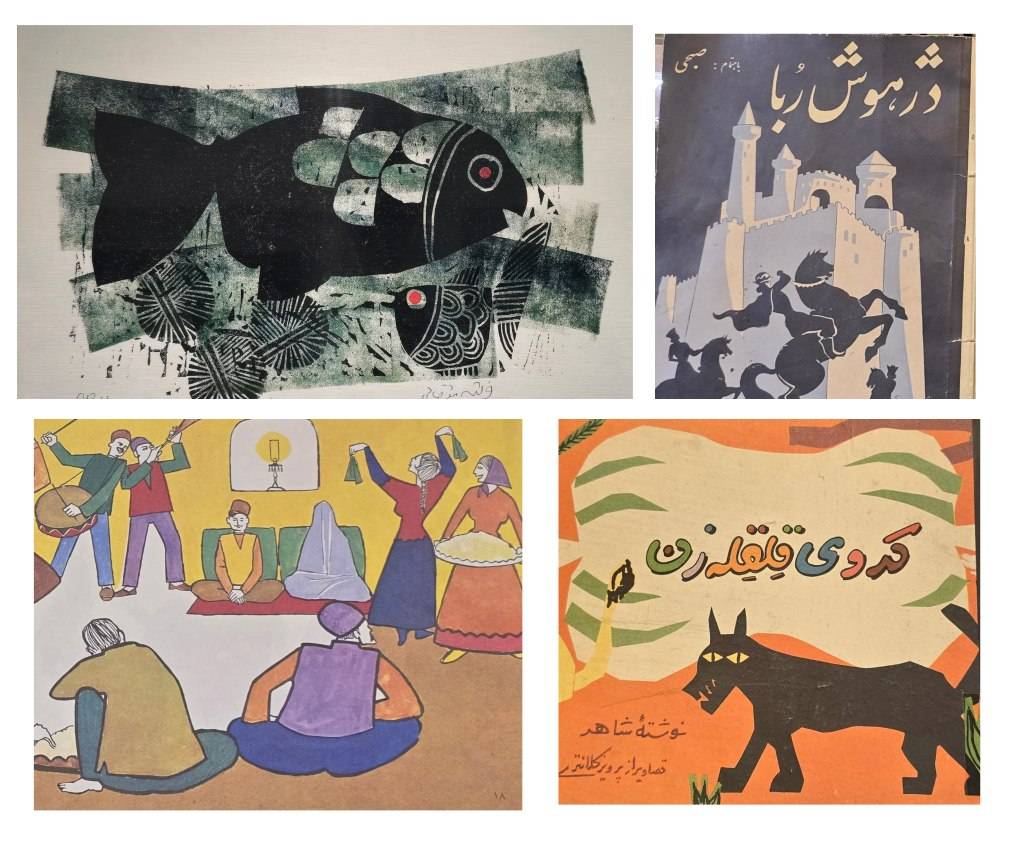
Illustrators
The “Illustrators” section introduces the emergence of children’s book illustration in Iran from the 1920s through the 1960s. As primary and secondary education expanded, demand for illustrated textbooks and educational materials increased. Artists returning from Europe brought new artistic techniques and approaches to illustration, while the establishment of the Faculty of Fine Arts in 1940 expanded young artists’ exposure to graphic design and modern art.
These developments, combined with growing demand for children’s books and magazines, paved the way for the first generation of professional children’s illustrators in Iran. Among the pioneers were Lili Taghipour Milani, Javad Javadi-Pour, Mohammad Bahrami, Parviz Kalantari, Jafar Tejaratchi, Morteza Momayez, and others.
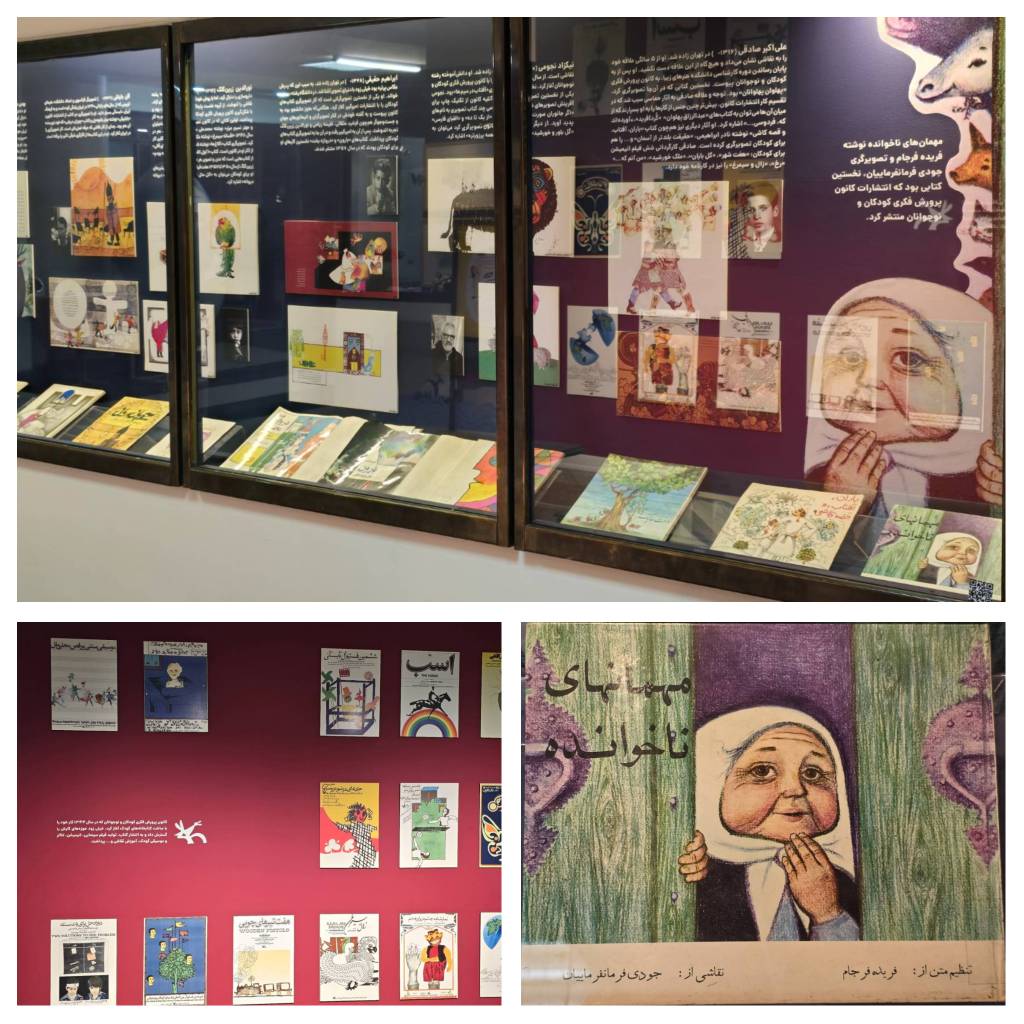
Institute for the Intellectual Development of Children and Young Adults (Kanoon)
Founded in February 1966, Kanoon became one of the most influential cultural institutions within Iran’s childhood culture movement. The organization began by establishing libraries and soon recognized that publishing children’s books was inseparable from the development of library services. Consequently, Kanoon Publishing House was founded.
As its network of urban libraries expanded, Kanoon established twelve permanent libraries by 1969, particularly in southern Tehran and other underserved areas. These libraries played a major role in promoting access to books and children’s literature.
Kanoon quickly broadened its activities beyond publishing, producing films, animations, theater performances, music, art education programs, and other cultural initiatives. Its efforts extended far beyond urban centers; mobile libraries brought books, films, and theatrical performances to remote rural communities throughout Iran.
Today, with more than one thousand libraries, cultural centers, artistic institutes, and organizations dedicated to publishing, film, theater, music, and librarian training, Kanoon remains the largest cultural institution serving children and young adults in Iran.
The Uninvited Guests, written by Farideh Farjam and illustrated by Judy Farmanfarmaian, was the first book published by Kanoon.
Children's Periodicals
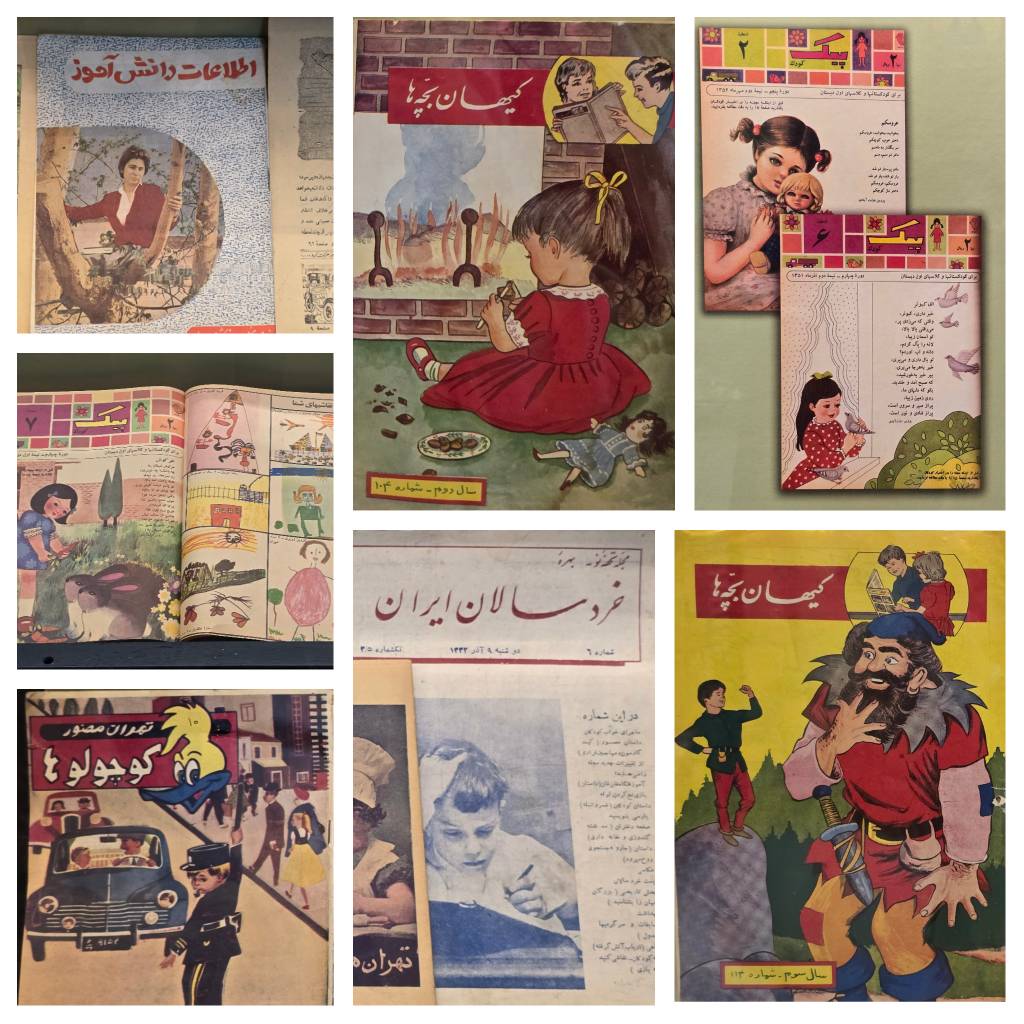
Iranak Children’s Museum dedicates a section to the history of children’s and young adults’ magazines in Iran, from the earliest publications to the influential Peyk magazines of the 1970s, which played a major role in introducing literature to young readers.
Among the periodicals displayed in the museum are:
Kayhan Bacheha (1956)
Ettela'at Children and Young Adults (1956)
Shangoul Khordsalan (1943)
Bazi-ye Koodakan (1944)
Majalleh-ye Koodak (1944)
Zendegi-ye Haftegi (1948)